Menu


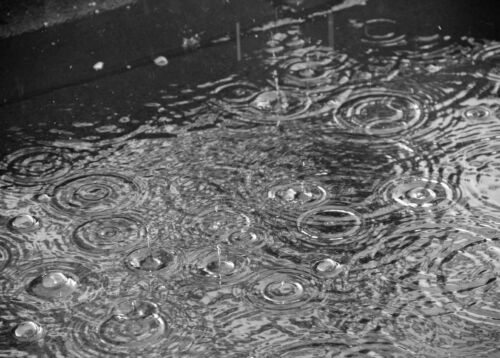
In Austin, rain doesn’t just mean greener landscapes — it often means a spike in car accidents. After dry stretches, even a light rain can turn highways into slick, unpredictable roadways. Add congestion, construction zones, and high-speed traffic, and rainy-season driving can quickly become dangerous.
How to stay safe on highways in Texas during or just after a rain storm requires adjusting your driving – and assuming that everyone else is not going to change anything about how they drive. Read on to see how to avoid needing to give us a call:
Austin highways like I-35, MoPac, 290 and 183 are already busy under ideal conditions. When rain hits, several hazards appear at once:
These factors combine to make rainy conditions far more dangerous than many drivers expect. It’s important to realize that even a small amount of rain means your tires have less grip on the road and you’re at risk of losing control.
Hydroplaning occurs when your tires lose contact with the road due to water buildup, thus causing you to slide uncontrollably. It’s important to realize that even a small amount of rain means your tires have less grip on the road. This is especially common at highway speeds and in areas with poor drainage.
To reduce the risk:
If you do hydroplane, ease off the accelerator and steer gently in the direction you want the vehicle to go. Sudden movements will make things worse.
Wet roads dramatically increase stopping distance. Tailgating in the rain is one of the leading causes of multi-car collisions on Austin highways.
A good rule of thumb is to double your normal following distance during rainy conditions. Giving yourself extra space allows more time to react if traffic suddenly slows or a driver ahead loses control.
Austin is no stranger to ongoing highway construction. In the rain, construction zones become even more hazardous due to uneven pavement, temporary lane shifts, poor drainage, and confusing signage.
Slow down through construction areas, watch for sudden merges, and stay alert for workers and equipment.
If an accident happens despite your best efforts, here are some best practices:
Rain-related accidents often lead to disputes about fault. Documenting conditions and injuries early can make a meaningful difference if an insurance company later challenges your claim.
Bad weather does not excuse careless driving. Drivers are still responsible for adjusting their behavior to road conditions. Speeding, following too closely, or driving aggressively in the rain can still result in liability if an accident occurs.
If you’re injured in a rainy-season crash caused by another driver’s negligence, you may have the right to pursue compensation for medical bills, lost income, and pain and suffering.
Rainy roads shouldn’t leave you navigating legal challenges alone. At McKinney Vos PLLC, we help Austin drivers understand their rights after weather-related accidents and hold negligent drivers accountable. If you’ve been injured on an Austin highway, reach out today to schedule a free consultation.
© 2026 McKinney Vos PLLC
Legal Disclaimer | Privacy Policy
Law Firm Website Design by The Modern Firm