Menu


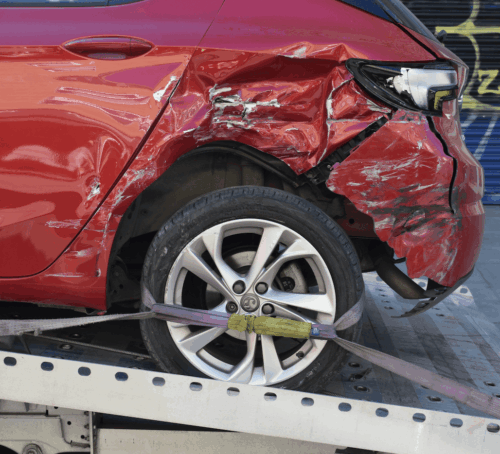
Car accidents are stressful enough on their own. When questions of honesty and fault enter the picture, that stress can quickly escalate.
If you’re involved in a car accident in Texas and the other driver lies about what happened, the situation can feel overwhelming, out of your control, and makes you want to scream. But it doesn’t mean your case is lost. Texas law provides ways to uncover the truth and protect your right to compensation, and how you respond in the early stages can make a meaningful difference. Here’s what you need to know.
Drivers may misrepresent what happened during a car accident for a variety of reasons. Some are afraid of higher insurance premiums. Others worry about being found at fault or facing legal consequences. In more serious cases, a driver may have been distracted, speeding, intoxicated, or driving without valid insurance and hopes to avoid responsibility altogether.
Regardless of the reason, dishonesty can complicate the claims process and delay resolution.
Insurance companies rely heavily on accident reports, recorded statements, and early evidence when determining fault. If the other driver gives a false account and it goes unchallenged, it could lead to:
Don’t assume the truth will “sort itself out.” It won’t. You need proper documentation and advocacy (and the earlier the better).
When facts are disputed, evidence becomes your strongest ally. Helpful evidence may include:
Small details, like notes you take down right after the accident, can help when it comes to any facts that are disputed.
While a police report is not the final word on fault, it can carry significant weight. Officers document statements from drivers and witnesses, note visible damage, and may cite traffic violations. If the other driver lies at the scene, inconsistencies may already appear in the report.
If you later discover inaccuracies or omissions in the police report, an attorney can help challenge or supplement the report with additional evidence.
When one driver lies, insurance companies often become more aggressive. They may push for recorded statements, attempt to pressure you into accepting partial blame, or offer a low settlement before all facts are known.
An experienced car accident attorney can step in to investigate, gather evidence, communicate with insurers on your behalf, and protect you from tactics that could harm your claim. Importantly, they help ensure your side of the story is supported by facts.
If the other driver is lying about what caused the accident, you’re not powerless, but timing and strategy matter. Acting quickly preserves evidence and strengthens your position before false narratives take hold.
At McKinney Vos PLLC, we help injured Texans navigate disputed accident claims with careful investigation and clear advocacy. If you’ve been injured and believe the other driver is misrepresenting the facts, our team is here to help you understand your options and protect your rights. Reach out today to schedule a free consultation and get guidance you can trust.

© 2026 McKinney Vos PLLC
Legal Disclaimer | Privacy Policy
Law Firm Website Design by The Modern Firm