Menu


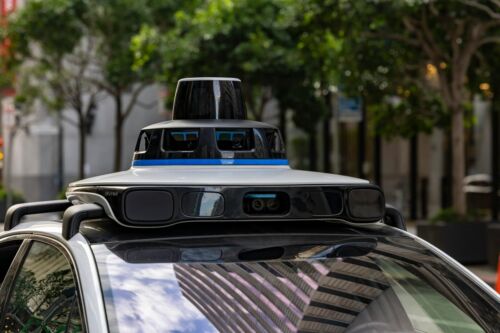
Austin roadways are always abuzz, and not every person (or driverless vehicle) is driving themselves to and fro. Ubers, Lyfts, and Waymos are out at all hours, and these vehicles can be involved in accidents. When you’re on the receiving end of that accident — either as another driver, pedestrian, cyclist, or even a passenger — you may wonder what to do next. Who is responsible for the accident? Whose insurance applies? And how can you protect your claim?
When a rideshare vehicle like Uber, Lyft, or Waymo is involved, things can certainly feel more complicated, but when you take it step by step, it doesn’t have to be. Here’s where to start.
As always, your health and safety come first. Call 911 immediately after the crash. Even if injuries seem minor, having law enforcement at the scene and a medical record creates important documentation for your case. Some injuries, especially soft tissue damage or head trauma, don’t fully show symptoms right away. Get checked out by a medical professional and follow your treatment plan.
One of the biggest differences between a standard car accident and a rideshare accident is insurance coverage, which depends heavily on what the driver was doing at the time of the crash.
If the driver was driving with the app off, their personal auto insurance would apply. If they were driving with the app on and either waiting for a ride request or driving with a passenger in their vehicle, Uber/Lyft company policies may apply (though they may apply at different coverage levels).
Per the Texas Department of Insurance, Texas law requires ride-sharing companies, such as Uber or Lyft, to have insurance that covers people or property the driver injures if the driver does not have insurance. Some companies also cover damage to your car. You or your attorney will want to carefully review the policies at play in your accident.
Accidents involving driverless vehicles like Waymo, can be further complicated as there is literally no driver. Cases like these often fall under product liability.
Because multiple insurance policies may be involved, documentation becomes even more important.
Do your best to collect the following information:
If the accident involves a company like Uber or Lyft, there may also be digital records showing ride status, timestamps, and GPS tracking. Preserving this evidence early can make a significant difference in the outcome of your case.
Texas follows a modified comparative negligence rule under Texas Civil Practice & Remedies Code § 33.001. Because more than one person can contribute to a car accident, the law assigns each party a percentage of fault. This rule applies to accidents involving rideshare drivers, too.
What it means is that if you are 50% or less at fault, you can recover compensation for the claim, but your compensation will be reduced by your percentage of fault. If you are found more than 50% responsible, you cannot recover damages.
Rideshare insurers may attempt to shift blame to reduce payouts, so early investigation and legal guidance are especially important in these cases.
After a rideshare accident, you may hear from the rideshare driver’s personal insurer, the rideshare company’s commercial insurer, and your own insurance provider. All these insurance adjusters may request recorded statements or attempt to offer quick settlements. While they may sound helpful, tread lightly. In some instances, their goal may be to minimize payouts.
Before providing detailed statements or accepting any offer, call a car accident attorney. Early legal support can protect you from quick insurance company tactics like low settlement offers or pressure to close your claim before you understand the full extent of your injuries.
Under Texas Civil Practice & Remedies Code § 16.003, the statute of limitations for most personal injury claims is two years from the date of the accident.
However, waiting can make your case harder. Digital evidence can be deleted, vehicle data can be lost, and witnesses’ memories can fade. The earlier you act, the better positioned you are to receive a full and fair compensation.
Being hit by a rideshare or driverless vehicle in Austin adds complexity to an already overwhelming time. Multiple insurance policies, corporate defendants, and shifting liability can complicate what might otherwise be a straightforward claim.
At McKinney Vos PLLC, we help injured Texans understand their rights, investigate complex accident cases, and protect what matters most. If you’ve been injured in a rideshare accident, we’re here to guide you through the next steps. Contact our team today to schedule a free consultation.
© 2026 McKinney Vos PLLC
Legal Disclaimer | Privacy Policy
Law Firm Website Design by The Modern Firm